
Article archive
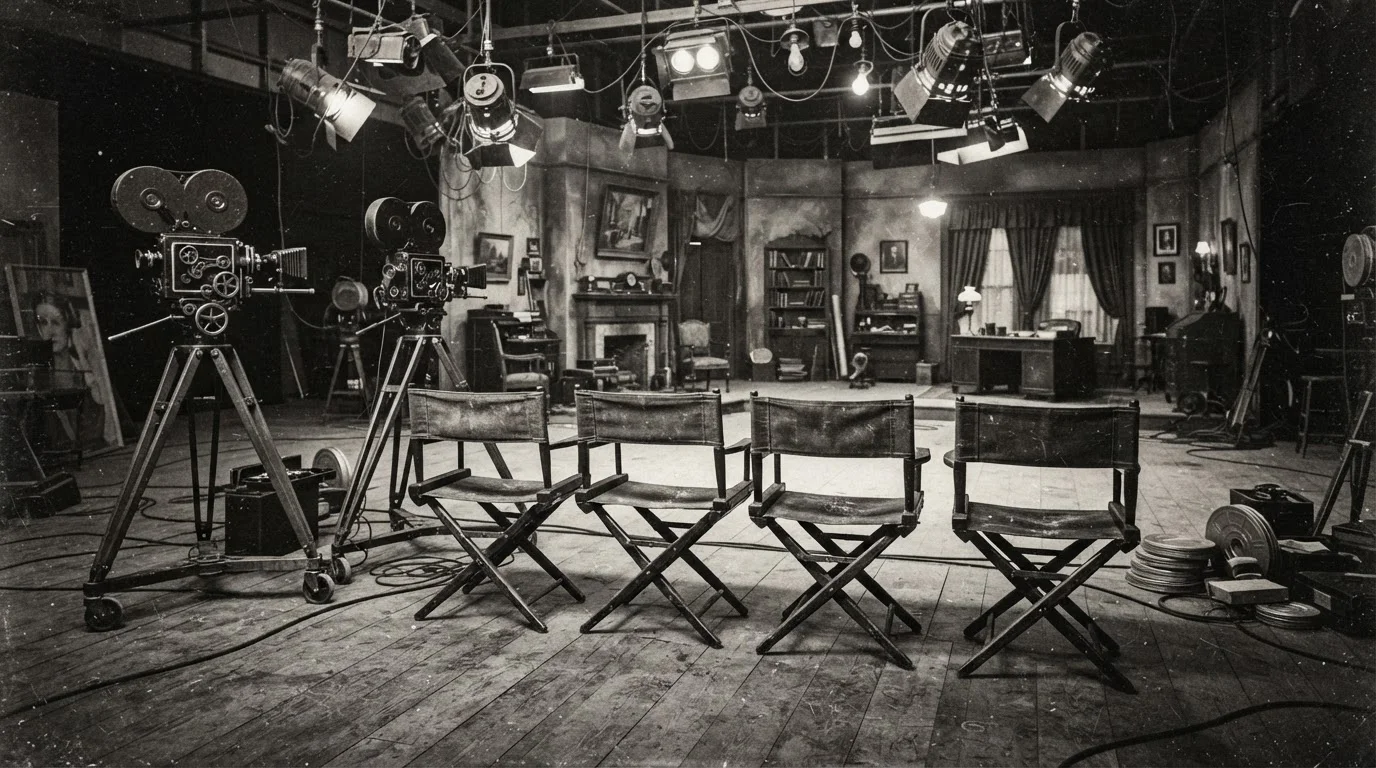
Chaplin and His Contemporaries: Keaton, Lloyd, Laurel and Hardy
Chaplin was not alone in the golden age of silent film. In the 1910s and 1920s Hollywood was full of great comedians who found different ways to make audiences laugh. Thinking about them together helps us understand what made Chaplin …

If Chaplin Were Alive Today, What Would He Say About AI?
This article is a thought experiment. Of course we cannot know what Chaplin would think about artificial intelligence. But what he said in his films about machines, authority and humanity offers a surprisingly good lens for looking at today's technology. …
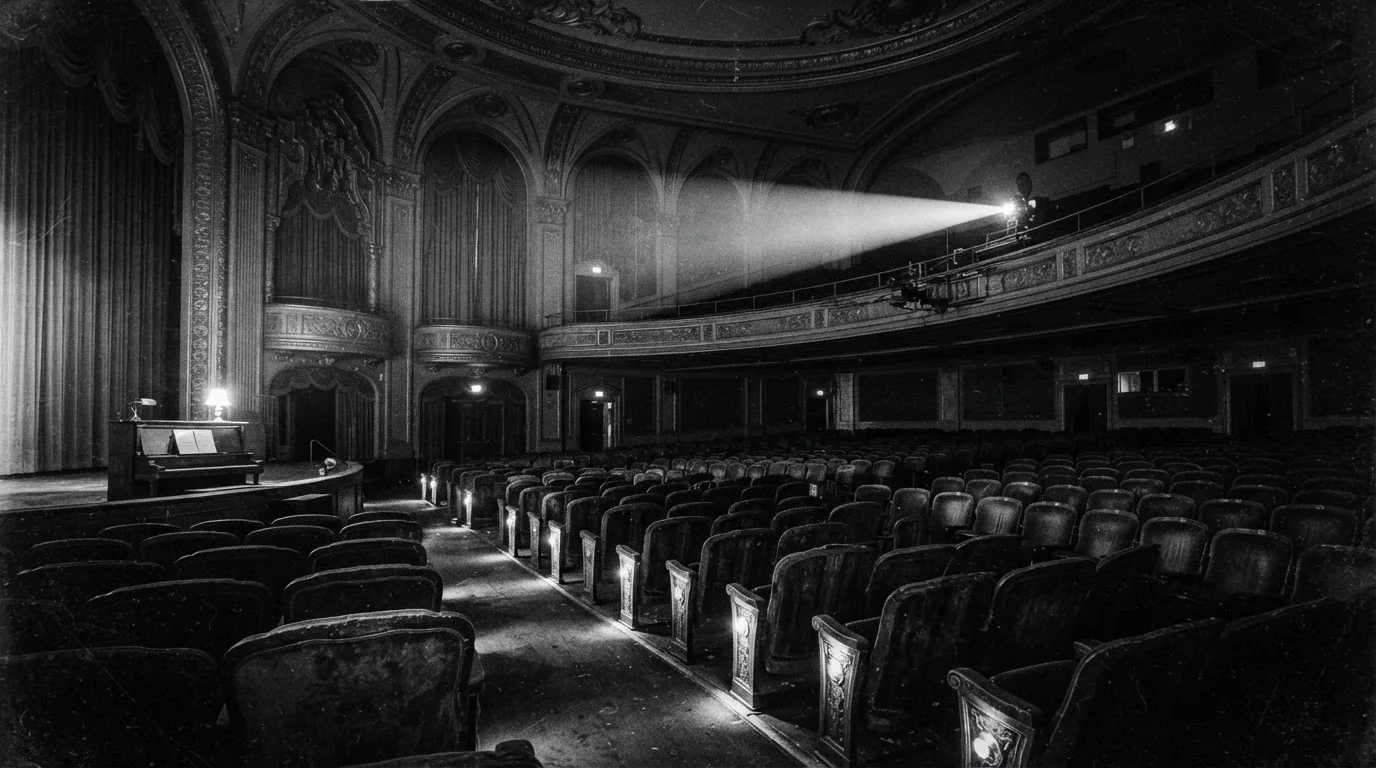
The Power of Silence: Why Didn't Chaplin Want to Talk?
When the first feature film with synchronised sound was released in 1927, Hollywood changed completely within a few years. Studios stopped making silent films, and many stars lost their careers because audiences did not like their voices. Chaplin, however, resisted …
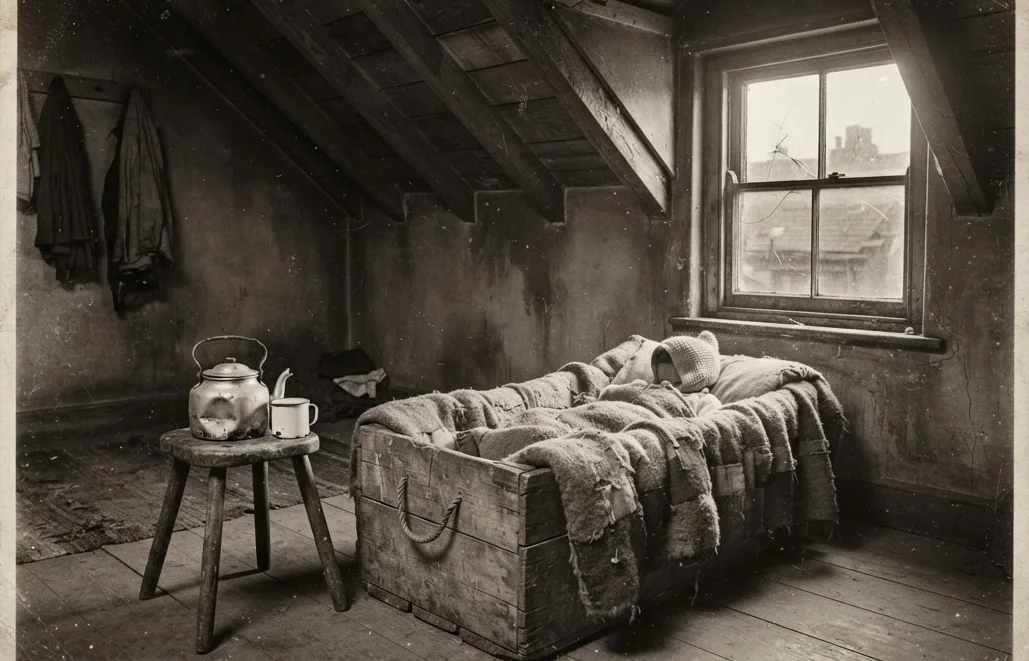
The Kid: A Family Stronger Than Blood
Released in 1921, The Kid is Chaplin's first feature film. Its opening title sums up its spirit in a single line: a picture with a smile — and perhaps, a tear. Indeed, The Kid is the film in which Chaplin …
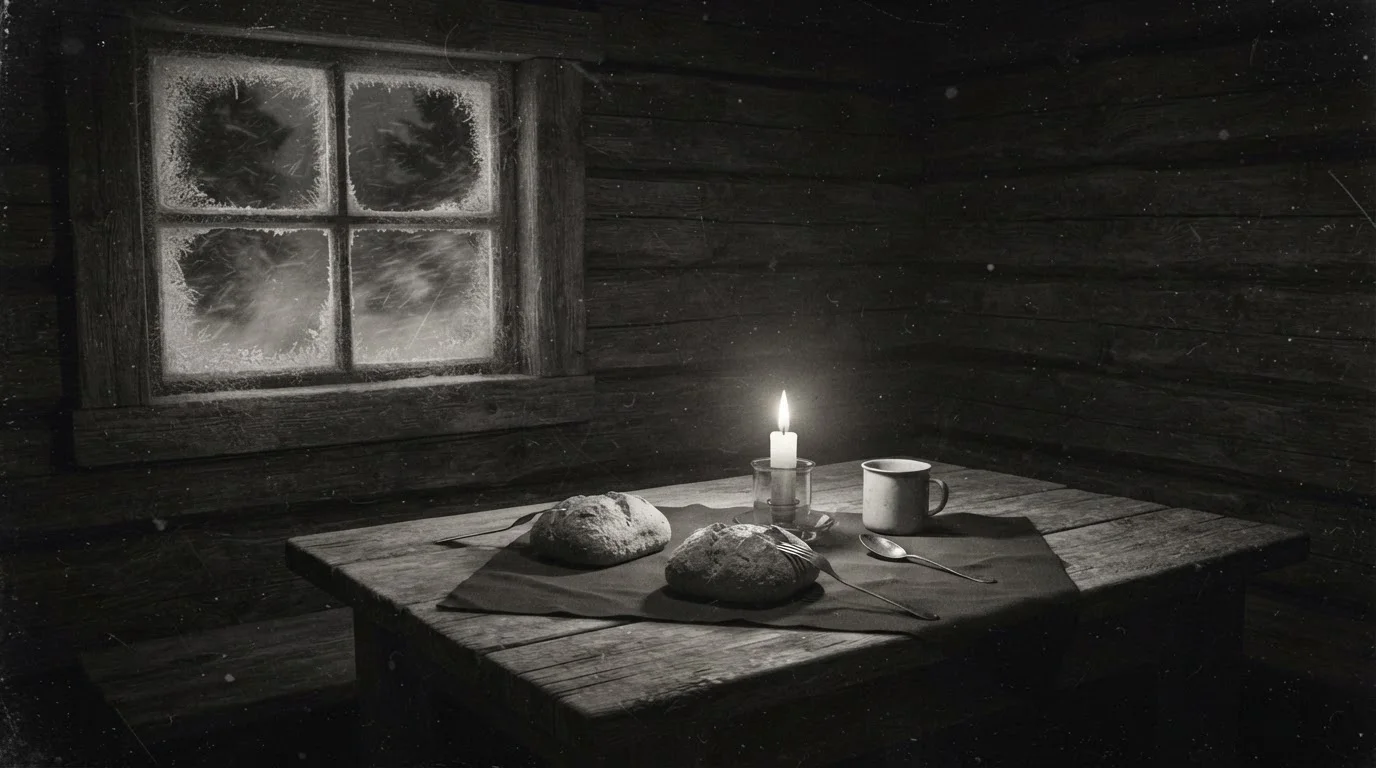
The Gold Rush: Hunger, Greed and the Story of a Shoe
The Gold Rush (1925) begins from the story of the thousands of prospectors who rushed to the Klondike at the end of the nineteenth century. As Chaplin tells of the hunger and desperation of people climbing snowy mountains with dreams …
City Lights: On Loving Without Seeing
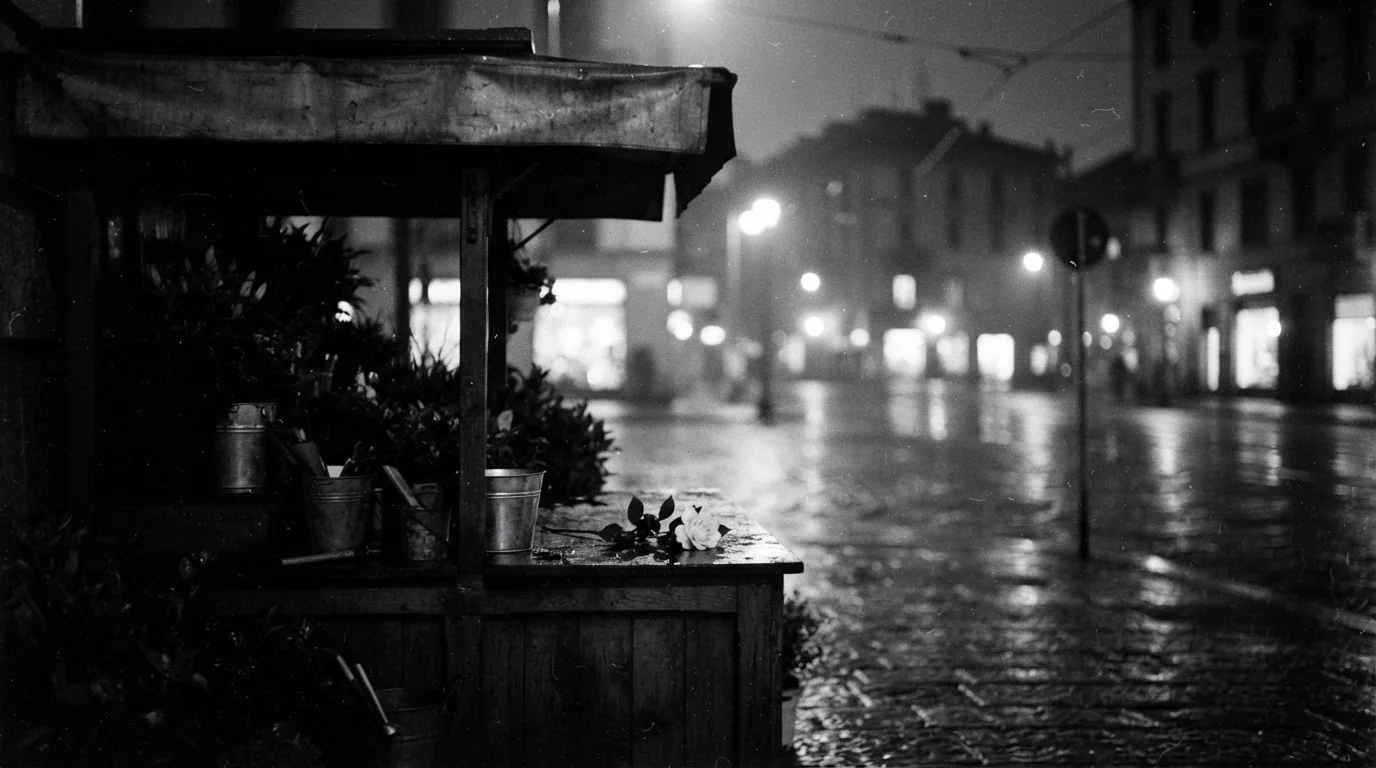
In 1931, when sound film had conquered the world, Chaplin did the opposite of everyone else and made a film without dialogue. City Lights was an act of courage. Today it is remembered as one of cinema's most powerful love …

From Modern Times to Today: The Human Among the Gears
In the most famous scene of Modern Times (1936), the Tramp tightens the same bolts on an assembly line again and again. As the belt speeds up he cannot keep pace, and is finally pulled into the machine, passing through …
The Tramp's Ethics: Poverty, Dignity and Humanity
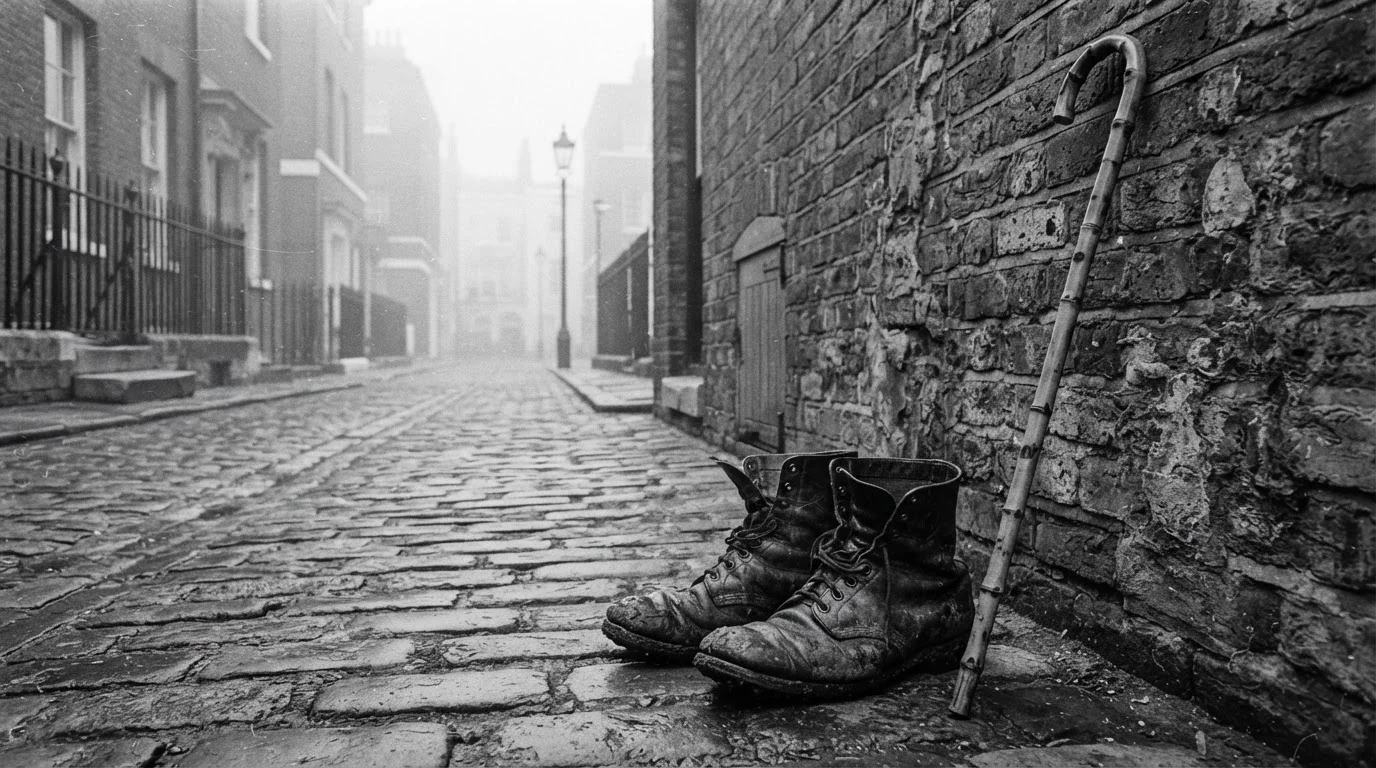
A bowler hat, a tight jacket, baggy trousers, enormous shoes and a cane. At first glance the Tramp looks like a clown's costume. But Chaplin designed it as a collection of contradictions: every piece clashes with another. Just like the …
The Seriousness of Laughter: Chaplin's Philosophy of Life
Most of us remember Charlie Chaplin as a funny man who falls over, runs away, hides from the police and eats his own shoe. Yet when you watch his films one after another, you notice a very serious view of …