
Film Analysis
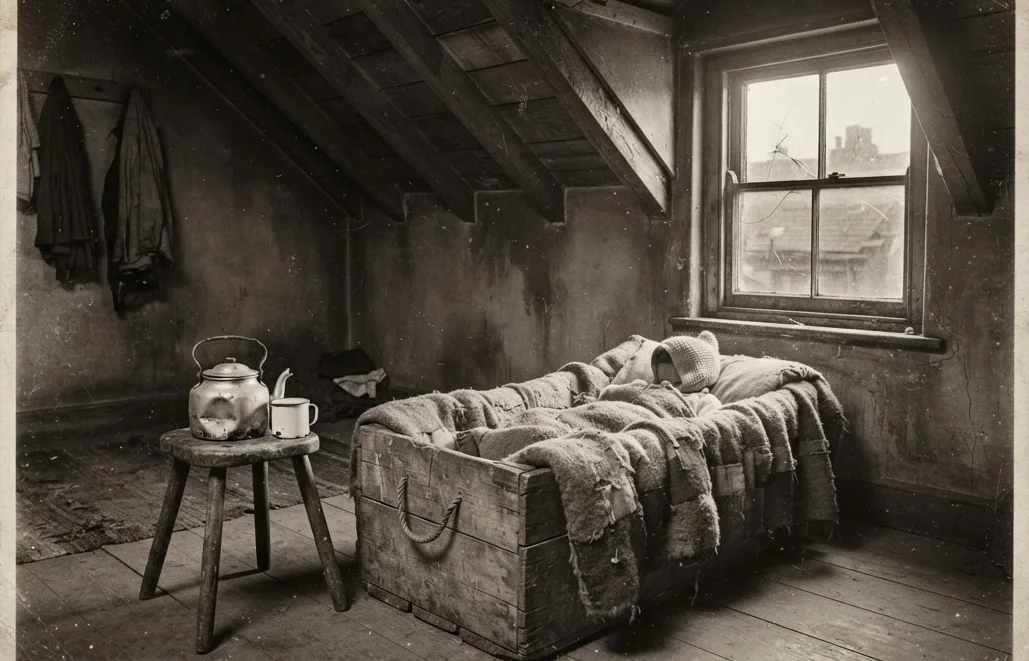
The Kid: A Family Stronger Than Blood
Released in 1921, The Kid is Chaplin's first feature film. Its opening title sums up its spirit in a single line: a picture with a smile — and perhaps, a tear. Indeed, The Kid is the film in which Chaplin …
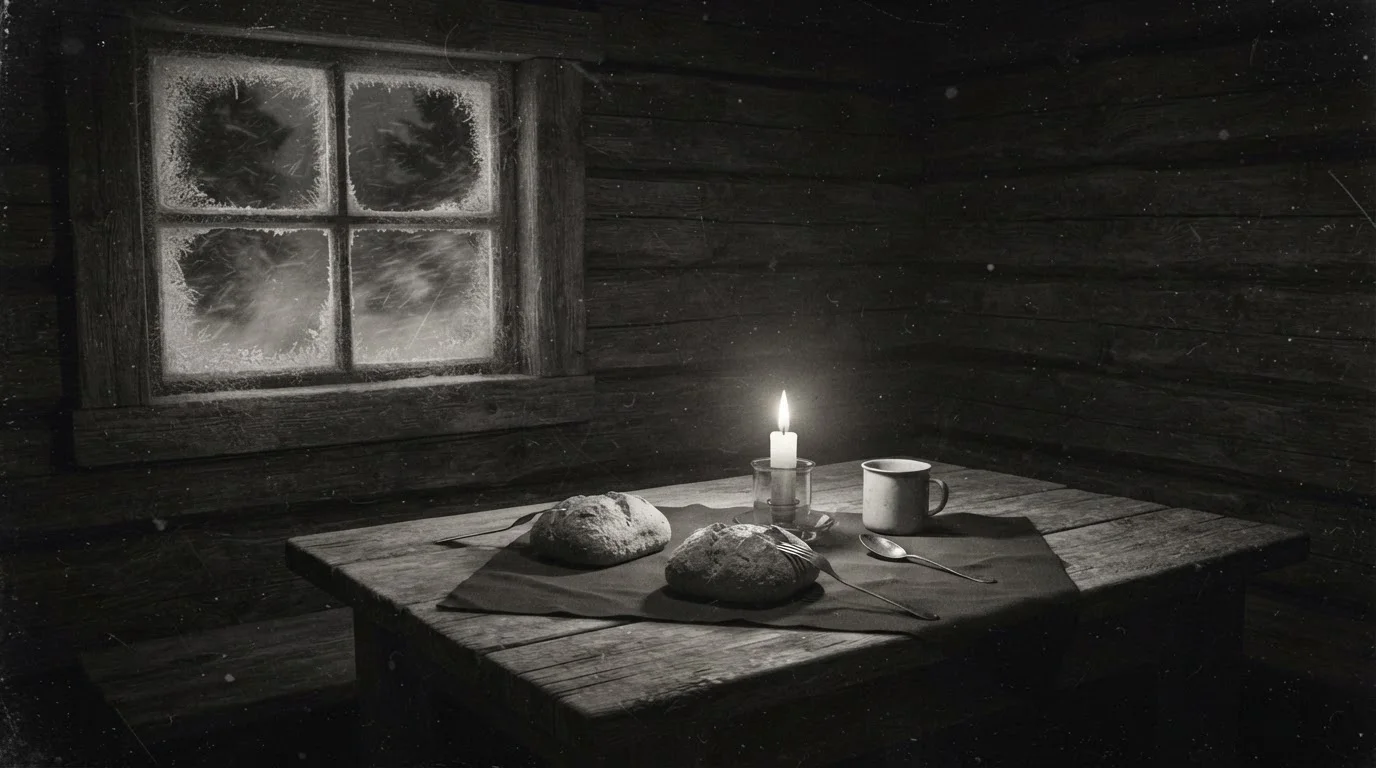
The Gold Rush: Hunger, Greed and the Story of a Shoe
The Gold Rush (1925) begins from the story of the thousands of prospectors who rushed to the Klondike at the end of the nineteenth century. As Chaplin tells of the hunger and desperation of people climbing snowy mountains with dreams …
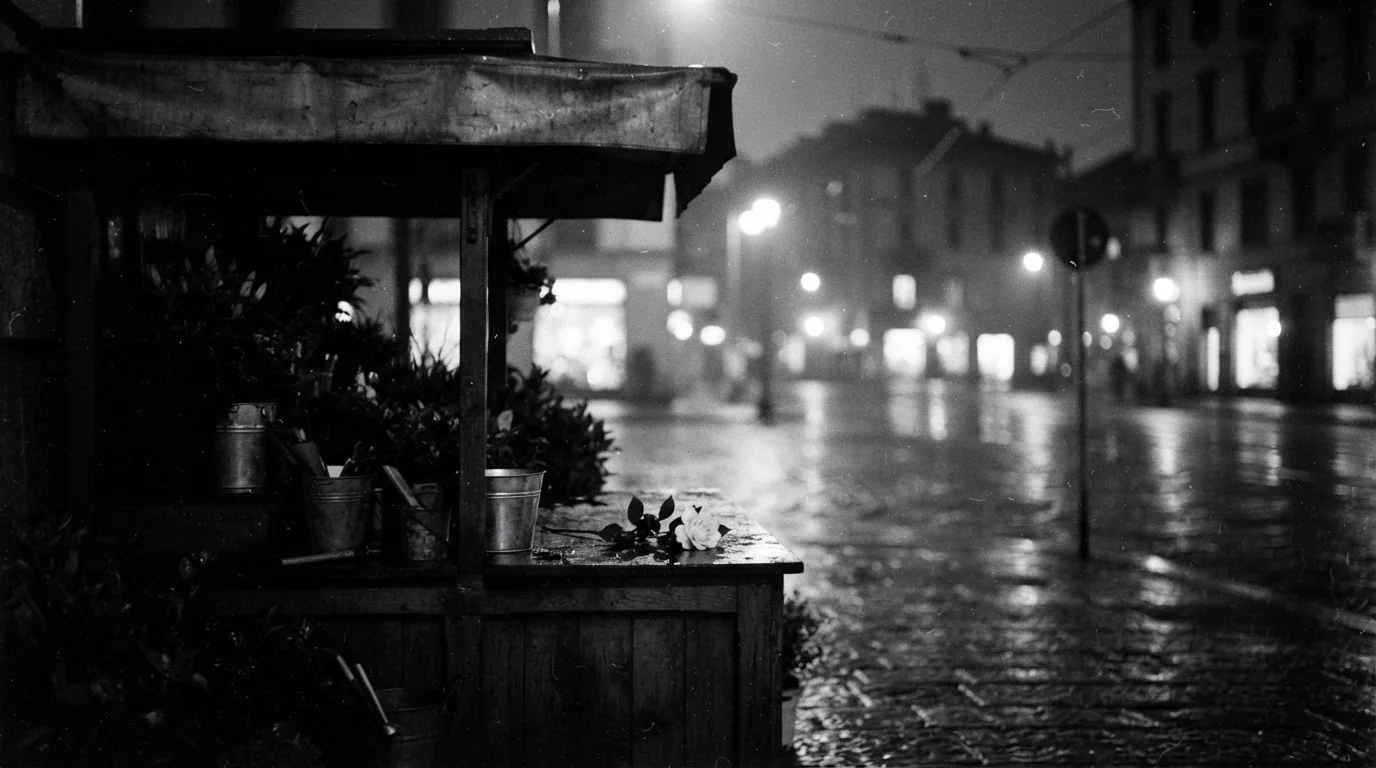
City Lights: On Loving Without Seeing
In 1931, when sound film had conquered the world, Chaplin did the opposite of everyone else and made a film without dialogue. City Lights was an act of courage. Today it is remembered as one of cinema's most powerful love …
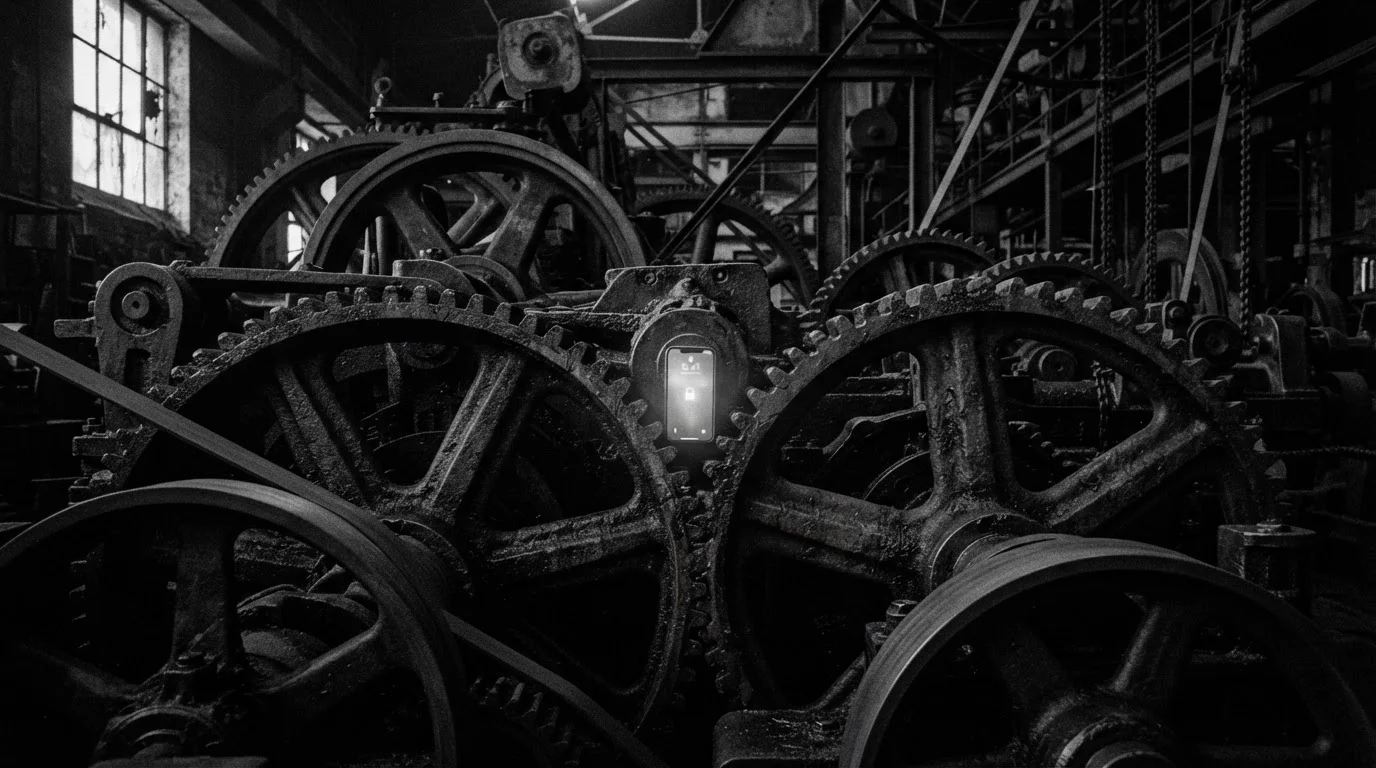
From Modern Times to Today: The Human Among the Gears
In the most famous scene of Modern Times (1936), the Tramp tightens the same bolts on an assembly line again and again. As the belt speeds up he cannot keep pace, and is finally pulled into the machine, passing through …
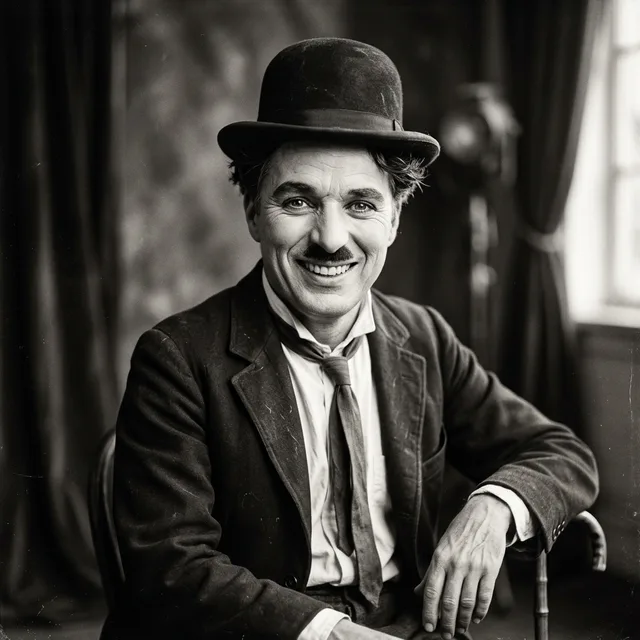
The Great Dictator: The Loudest Speech of a Silent Man
Why was the most powerful speech in film history delivered by a comedian? In The Great Dictator, Chaplin did not only satirise Hitler; he also cried out humanity's timeless need for peace.
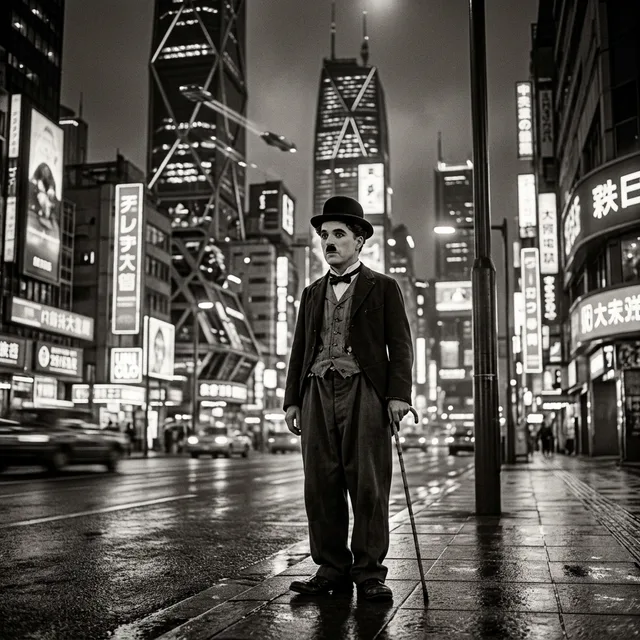
What Would Chaplin Say If He Were Alive Today?
How would Chaplin's silent critique stand up to the modern world and its economic order? Buildings are taller and machines are faster today, but is the human spirit still caught between the gears of Modern Times? In the noise of …