 Image generated with AI
From Modern Times to Today: The Human Among the Gears
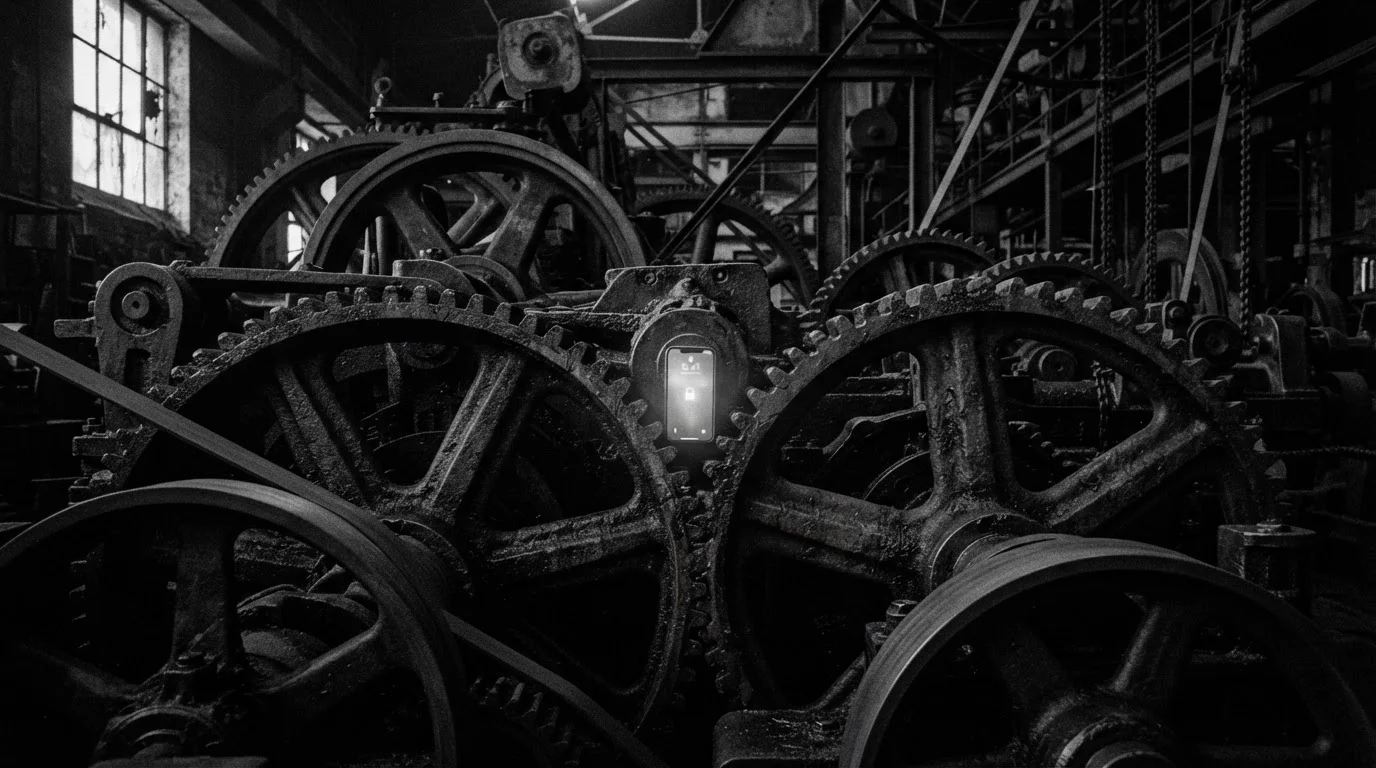
In the most famous scene of Modern Times (1936), the Tramp tightens the same bolts on an assembly line again and again. As the belt speeds up he cannot keep pace, and is finally pulled into the machine, passing through its giant gears. Shot almost ninety years ago, the scene looks astonishingly current today.
When a person becomes a part
The Tramp's work is so repetitive that even away from the belt his hands keep making the same movement. He tries to tighten every button and bolt he sees. Chaplin exaggerates a very simple observation: work shapes people. A system that treats a person as nothing more than a single movement ends up reducing the person to that movement.
Today, instead of an assembly line, we have notifications, targets and screens. When we put our phone down and our thumb still wants to scroll, is that so different from the Tramp's bolt-tightening hands?
The feeding machine and the obsession with efficiency
One of the funniest scenes in the film is the "feeding machine", invented to shorten the workers' lunch break. It is tested on the Tramp and everything goes wrong. The scene mocks a mindset that puts efficiency before human needs. Think of today's productivity apps, software that measures break times and workplaces that account for every minute, and Chaplin's joke turns into a prophecy.
One film, many crises
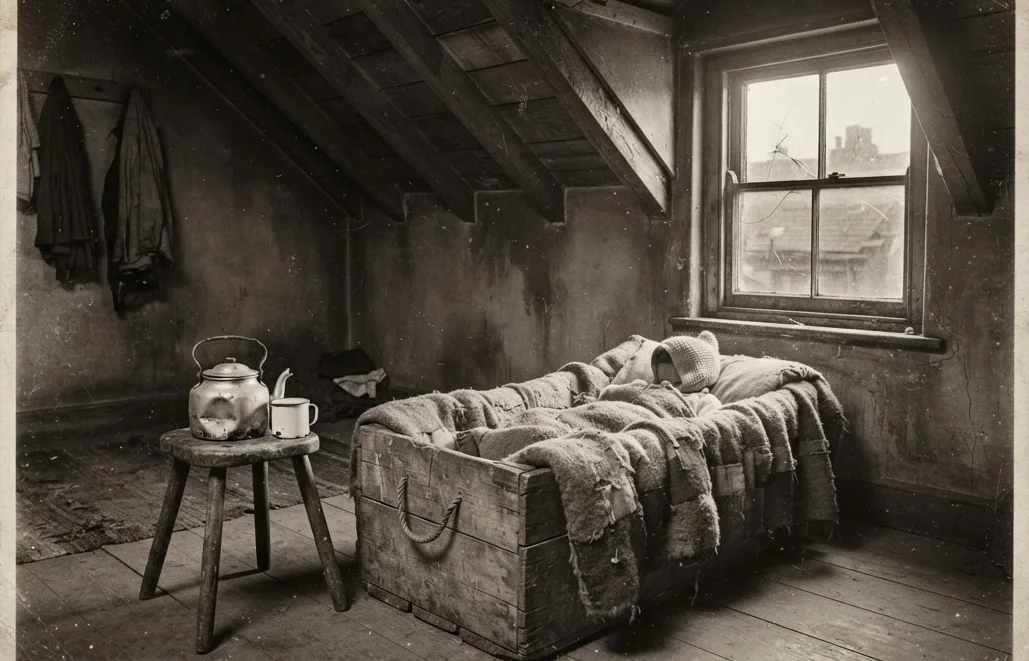
Modern Times is not only about the factory. Unemployment, strikes, poverty and the lack of housing after the Great Depression are all in the film. The Tramp accidentally ends up leading a protest, goes to prison for nothing, and lives with an orphan girl in a ramshackle shack. Chaplin tells these heavy stories with laughter, but never makes light of them.
On the road again
The film ends with the Tramp and the girl walking away hand in hand down a road. She has lost hope; he tells her to smile. It is the Tramp's last appearance on screen. In saying goodbye to him, Chaplin leaves us a piece of advice: however fast the machines become, we must not lose what makes us human — holding on to one another.